How a Gaming Creator Can Build a Media Kit Brands Can Actually Use
4 min read
MAKE IT YOUR READSaved
Build a credible creator media kit with relevant audience evidence, clear deliverables, honest results and transparent sponsorship terms.
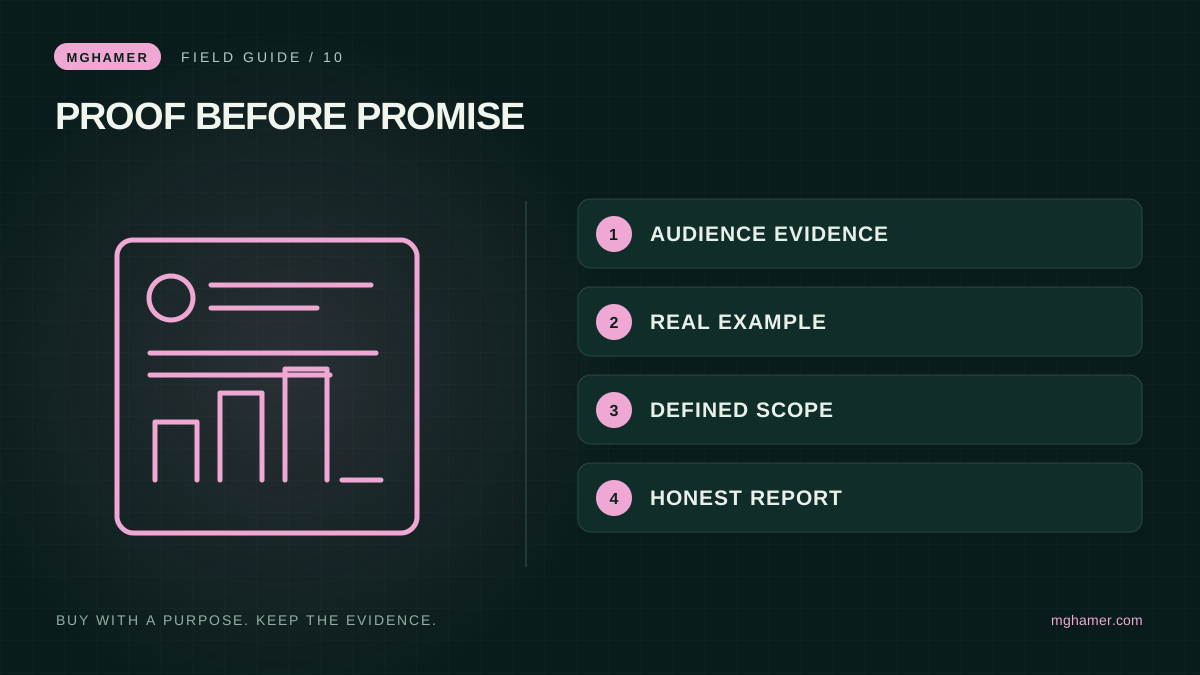
A useful media kit answers a brand's questions quickly: who watches this creator, why does that audience fit the product, what could a collaboration look like and what evidence supports the proposal? It is a decision document, not a collection of your biggest numbers in the largest possible font.
This is an original practical framework for gaming creators, including Arabic-language channels. It does not promise sponsorship income or claim that any particular brand is accepting partners. The sources below provide platform guidance and disclosure context. There are no affiliate sign-up links or paid agency recommendations.
Describe the audience you can genuinely serve
Open with a specific positioning sentence. For example, “Arabic tutorials for players learning competitive shooters” is more useful than “gaming influencer for everyone.” Then show the platforms, content formats and audience information you can actually verify in your analytics.
Label the reporting period and distinguish followers, views, reach and engagement. Do not combine them into one impressive-looking total. If you show average performance, explain which recent pieces were included and avoid selecting only the strongest post unless it is clearly presented as an exceptional example.
YouTube's creator guidance describes a media kit as a tool for brand partnerships. Access to platform partnership features can depend on eligibility and location, so check your own account rather than assuming another creator's dashboard is available to you. A clear independent document remains useful even without a platform-specific feature.
Build a case study without inventing a campaign
If you have completed relevant work, show the objective, your deliverable, the period and the outcome you are allowed to share. Separate observed results from estimates. A video view is not automatically a sale, and a screenshot without context does not establish attribution.
If you have no paid campaign history, use a clearly labelled editorial sample. You might demonstrate how you would explain a product category to your audience, but do not put a brand logo beside invented results. “Sample concept; not commissioned” is a straightforward description that protects your credibility.
For an Arabic channel, include a short English explanation when pitching an international team, while preserving the Arabic work itself. Explain the audience and the creative idea rather than translating slang mechanically. A partner needs to understand why the content belongs in your channel, not merely that you can display its logo.
Sell a defined piece of work
Describe the proposed format, length range, platform, publication window and what the brand receives. Separate an integrated segment, a dedicated video and a short clip: they demand different work and offer different context. State how many revision rounds are included in your proposal.
Discuss usage rights, paid amplification, exclusivity and additional versions as separate scope questions. These items can change the work and value substantially. Do not grant vague unlimited reuse because a form calls it standard. Ask for terms you understand and appropriate professional help when an agreement is significant.
A rate should reflect your own production effort, audience fit, scope and commercial conditions. This guide deliberately does not invent a universal price per thousand views or a guaranteed conversion rate. If proposing a test collaboration, define what success would mean and how the results will be measured before publication.
Make trust visible in the pitch and the content
Use a business contact method and send a concise, relevant proposal to an appropriate brand contact. Explain one concrete fit rather than sending the same inflated promise to a hundred unrelated companies. Keep outreach respectful, track replies and stop when a recipient asks you to stop.
YouTube requires creators to identify qualifying paid promotions through its disclosure setting. The US FTC's guidance also addresses clear disclosure of material brand relationships, including benefits beyond cash; it is a US reference, not a substitute for the rules applying in your own market. Review the relevant platform and local requirements for each campaign.
After a collaboration, deliver a report with the same definitions and reporting window agreed at the start. Include what worked, what did not and what you would change. Do not hide weak results behind unrelated lifetime totals. A media kit earns its value when it helps the right partner make an informed decision and sets up a collaboration you can deliver honestly.
Sources & further reading
- YouTube — Tips for getting brand dealssupport.google.com
- YouTube — Creator Partnerships eligibility and toolssupport.google.com
- YouTube — Paid promotion disclosuressupport.google.com
- US FTC — Disclosures 101 for social media influencersftc.gov
What did you take away?
Real reactions. Thoughtful discussion. Every comment is reviewed before it appears.
Loading reader contributions…
Sign in to join the discussion