League of Legends meets Louis Vuitton: what luxury fashion sees in gaming
4 min read
MAKE IT YOUR READSaved
The Worlds partnership offers a focused case study in digital clothing, visible identity and the difference between prestige and competitive skill.
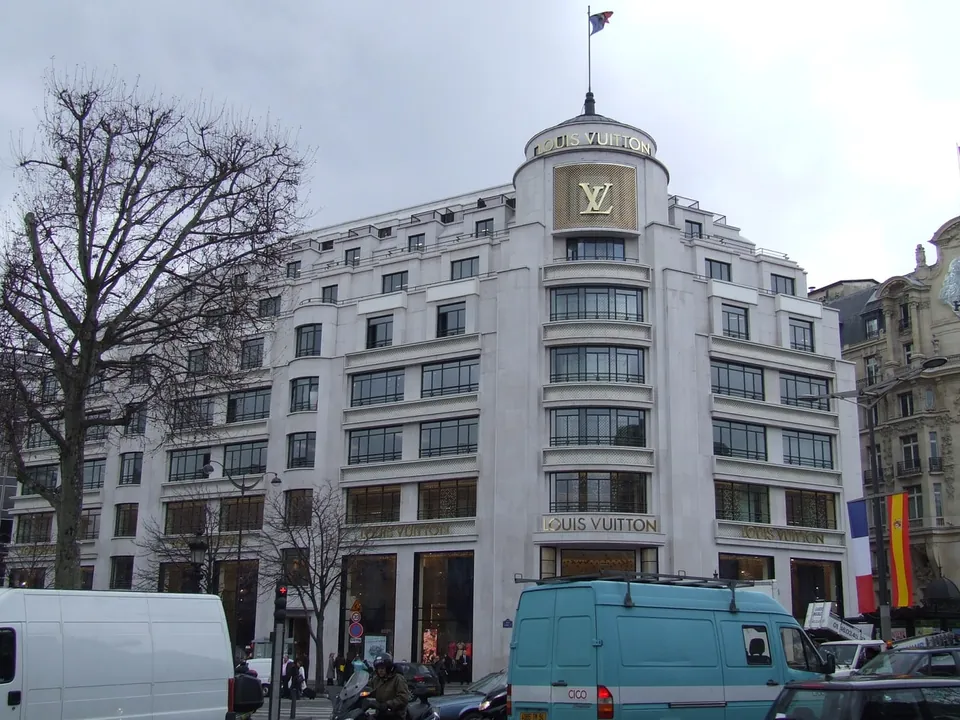
A championship trophy and an outfit solve different problems. One records a competitive achievement; the other helps a person or character communicate an identity. When luxury fashion enters esports, those two languages meet. The interesting question is not simply whether an expensive brand belongs beside a video game. It is what each side wants the audience to see.
The Louis Vuitton and League of Legends collaboration makes that question concrete. This is a retrospective cultural analysis of a documented partnership, not an announcement of a new collection or a guide to buying limited items today. Historical launch information should not be mistaken for current availability.
A trophy becomes a fashion object
The partnership around Worlds 2019 included a bespoke travel case for the Summoner’s Cup, documented in Louis Vuitton’s account of its trophy trunks. The case connected a championship ritual with the visual language of a luxury house. That is the documented starting point; the broader meaning is open to interpretation.
Our reading is that the object worked at a particularly visible boundary. The trophy belonged to the story of winning, while its presentation belonged to ceremony and spectacle. A brand did not need to alter a match to become part of the way its achievement was displayed. The commercial relationship occupied the frame around competition.
From the physical wardrobe to the champion
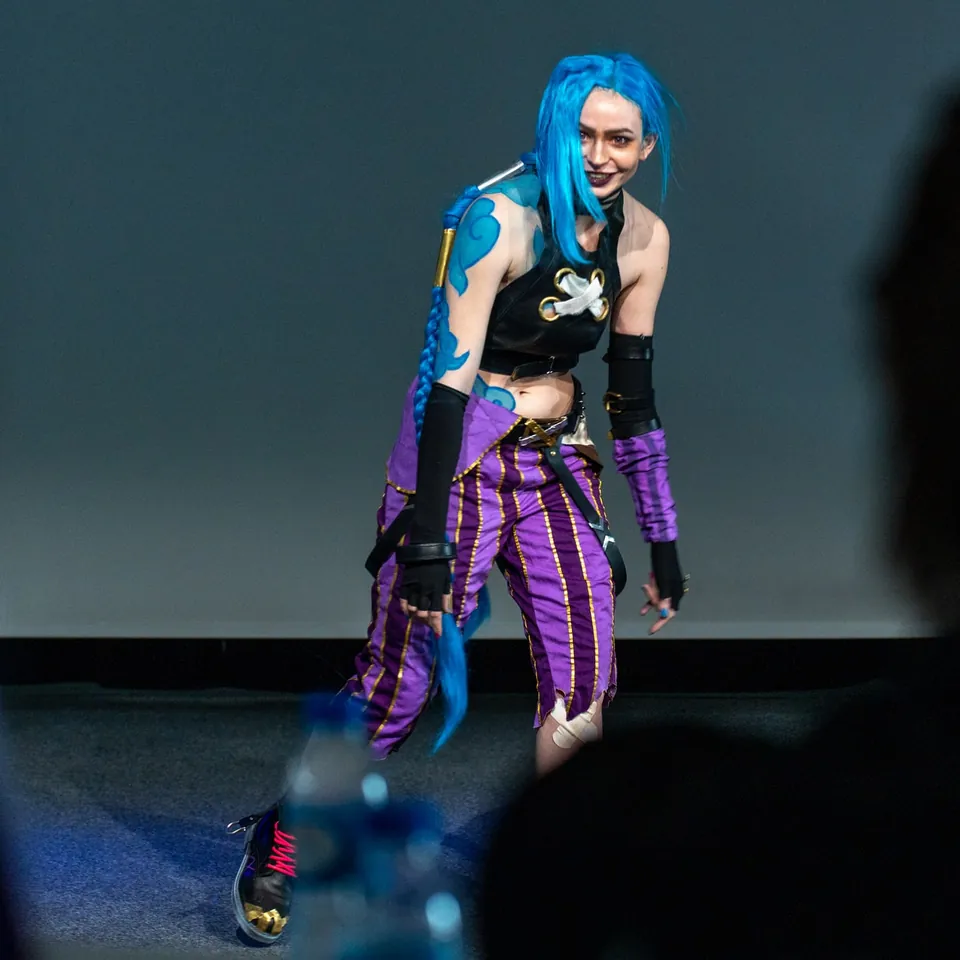
Louis Vuitton’s historical account records the Qiyana collaboration and a later Senna design by Nicolas Ghesquière, alongside clothing collections. The pairing matters because it lets us compare two forms of dress without pretending they are identical. One is worn by a body in physical space; the other is seen through a game’s characters, animation and camera.
In a digital wardrobe, the wearer is also a performer whose movements are partly designed in advance. A silhouette must remain legible amid action. Detail has to survive a distant viewpoint. The most interesting creative question is therefore not how faithfully a garment can be copied, but how its identity changes when the conditions of looking change.
Why visibility can matter as much as ownership
Fashion communicates through an audience. That audience might be a room, a street, a stream or a group of friends who recognise a character. Our interpretation is that gaming creates additional places for this communication, rather than simply replacing physical clothes with digital equivalents.
A player may value an appearance because it expresses taste, attachment to a champion or a memory of an event. Those possible motivations should not be collapsed into a claim that every purchase is about status. Equally, cultural interest should not prevent us from noticing when scarcity and prestige become selling points. Both creativity and commerce deserve examination.
Prestige must stay separate from performance
The useful editorial distinction is between looking exceptional and playing exceptionally. A fashionable appearance is not evidence of better decisions, more practice or a stronger understanding of the game. Coverage becomes misleading when it lets the glamour surrounding an object bleed into claims about competitive ability.
For a young fan, that distinction can be liberating. Participation in a community need not depend on owning its most expensive object. Appreciation can take the form of drawing, styling, discussing design or simply enjoying the work. A price tag measures the transaction being offered; it does not measure the value of the person looking at it.
What regional creators can take from the example
For designers and teams in MENA, the interesting lesson is not “copy a luxury logo.” It is to begin with a specific community and understand how it presents itself. A thoughtful project could ask what a team’s colours, language or local references mean to its own supporters before turning them into merchandise.
That is a proposal, not a claim that a particular market has already adopted it. It also comes with a creative standard: local culture should influence the design process, not appear as a decorative afterthought. Arabic lettering, for example, deserves the same attention to composition and legibility as any other central design element.
How to judge the next collaboration
Ask whether it has a coherent visual idea, whether its commercial conditions are clear and whether it respects the game’s competitive readability. Then ask a simpler question: would there still be something interesting to discuss if the famous logo disappeared?
The League collaboration remains useful because it brings the digital and physical wardrobe into the same conversation. Its cultural significance is not proof that luxury makes esports legitimate. Esports already has its own achievements and communities. The more revealing story is how fashion tries to speak to those communities, and how players decide which parts of that language they want to make their own.
Sources & further reading
- Louis Vuitton — Trophy trunks and Worlds 2019uk.louisvuitton.com
- Louis Vuitton — Senna by Nicolas Ghesquièreuk.louisvuitton.com
What did you take away?
Real reactions. Thoughtful discussion. Every comment is reviewed before it appears.
Loading reader contributions…
Sign in to join the discussion