Sun Wukong in Dota 2: how Chinese literature becomes playable
4 min read
MAKE IT YOUR READSaved
Monkey King is more than a familiar name. His adaptation shows how a literary personality can become a competitive design problem.
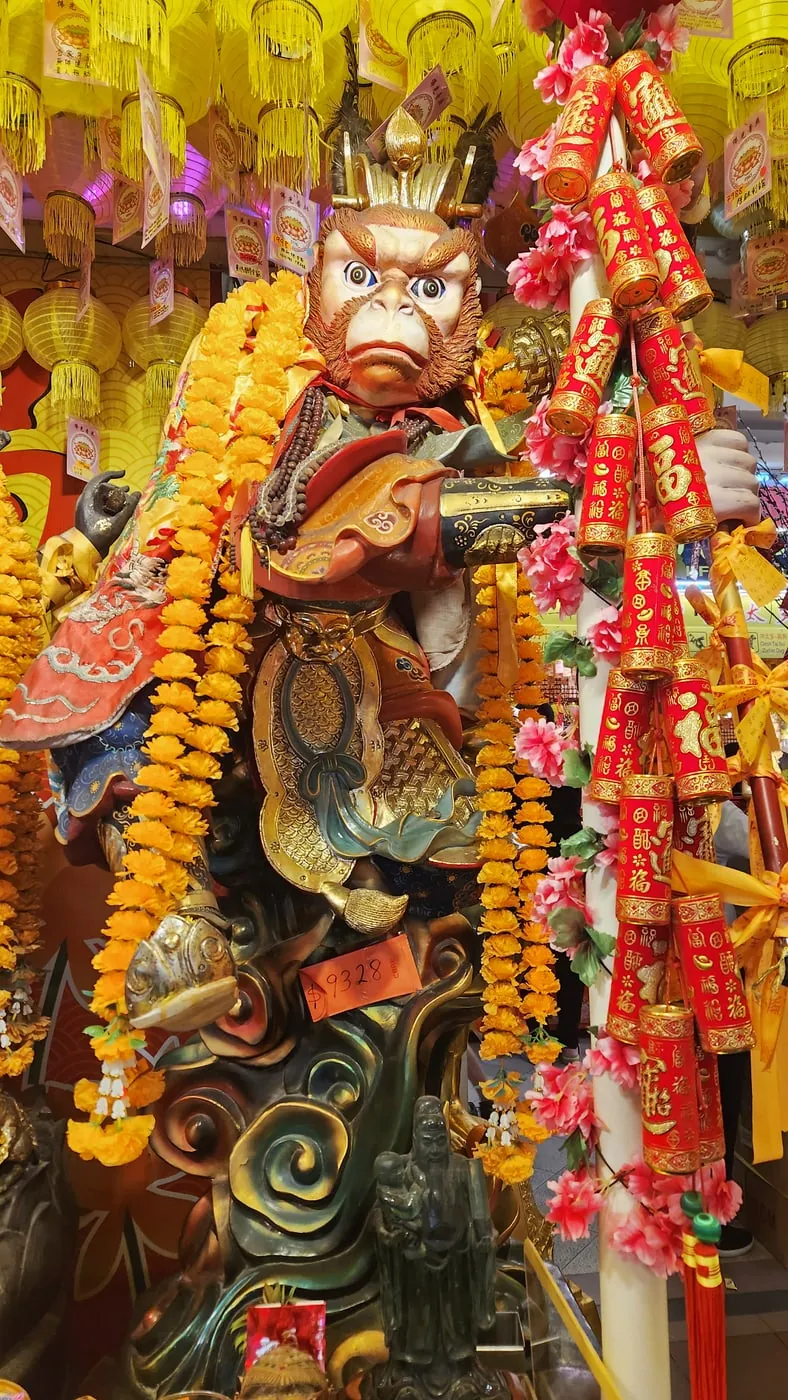
A player can learn to recognise Monkey King before knowing where Sun Wukong comes from. The silhouette, staff and suggestion of mischief do their work immediately. Learning the cultural background adds another layer: the character is not merely a fantasy warrior invented for a roster, but an adaptation with a much longer life outside the game.
This feature follows one subject: how Dota 2 translates the Monkey King into play. It is a cultural analysis rather than a current patch guide. Numerical balance, optimal items and tournament pick rates are deliberately outside its scope; those require a different kind of evidence and change over time.
A character with a history beyond the roster
Sun Wukong is a central figure in the Chinese novel Journey to the West, associated with extraordinary powers, rebellion and a journey of discipline. The linked research introduction traces that literary context. Recognising it prevents an easy mistake: treating a globally recognisable character as if the game that introduced us to him also invented him.
It also asks us to be specific. Calling every borrowed image “Asian mythology” erases distinctions between literary works, places and traditions. Naming the character and the work gives the audience a route to further reading. Cultural appreciation becomes more meaningful when curiosity has somewhere concrete to go.
Personality translated into verbs
Valve’s original 7.00 introduction presents a staff-wielding trickster who moves through trees, disguises himself and summons monkey soldiers. These are historical descriptions of the adaptation’s design, not a guarantee that every implementation remains unchanged today.
The interesting move is from adjective to action. A writer can call someone elusive; a game must give the player something to do that feels elusive. It can call a character mischievous; an interactive version needs opportunities for uncertainty and deception. This is where adaptation becomes a design task rather than a naming exercise.
A competitive game cannot grant unlimited power
A literary hero can be overwhelming when the story needs him to be. A competitive character has to exist among opponents who deserve meaningful decisions too. Our interpretation is that this produces a productive tension: the fantasy promises exceptional ability, while the match requires limits.
Those limits are not necessarily a betrayal of the inspiration. They make the fantasy available as a shared contest. A spectacular action becomes more interesting when another player can anticipate it, respond to it or punish poor timing. The designer is therefore adapting both what the character can do and what it should feel like to face him.
The audience reads two stories at once
During a match, viewers follow an immediate story of positioning, information and execution. A culturally informed viewer may also recognise a trickster’s personality in the way a move is staged. Neither reading should be compulsory. Good commentary can explain the competitive action clearly and add a brief cultural connection without turning a team fight into a lecture.
The distinction matters for newcomers. Someone who knows the novel but not Dota should not be made to feel that cultural knowledge is useless. Someone who knows Dota but not the novel should not be shamed for arriving through a game. Each has an opportunity to learn from the other.
What an adaptation leaves outside the match
A roster character cannot carry an entire literary work. Selecting a weapon, a gesture or a power necessarily leaves other material behind. The useful critical question is not whether everything survived, but which parts were selected and what those choices encourage the audience to think.
If a reader comes away with only an image of limitless strength, the next step is to investigate the relationships, obligations and changes found in the wider story. The game can open that door, but it cannot be expected to walk through it on the reader’s behalf. Familiarity and understanding remain different achievements.
A small exercise for your next replay
Watch a Monkey King sequence without starting from the damage number. Describe the decisions in ordinary language: concealment, commitment, surprise, retreat. Then ask which of those words belong to the character’s presentation and which belong to competitive play more generally. This keeps the analysis anchored in what is visible.
The lasting connection between Chinese literature and Dota is not that an old name received new graphics. It is that a cultural figure becomes a set of choices another person can perform and an opponent can read. That translation is imperfect and selective, as adaptations are. It can still be a compelling invitation to discover the much larger story behind the hero.
Sources & further reading
- Journey to the West Research — The story of Sun Wukongjourneytothewestresearch.com
- Valve — Monkey King, original 7.00 introductiondota2.com
What did you take away?
Real reactions. Thoughtful discussion. Every comment is reviewed before it appears.
Loading reader contributions…
Sign in to join the discussion