Hades and Greek mythology: why failure makes the story work
4 min read
MAKE IT YOUR READSaved
A close reading of how Hades turns an ancient underworld into a modern game about repetition, relationships and learning.
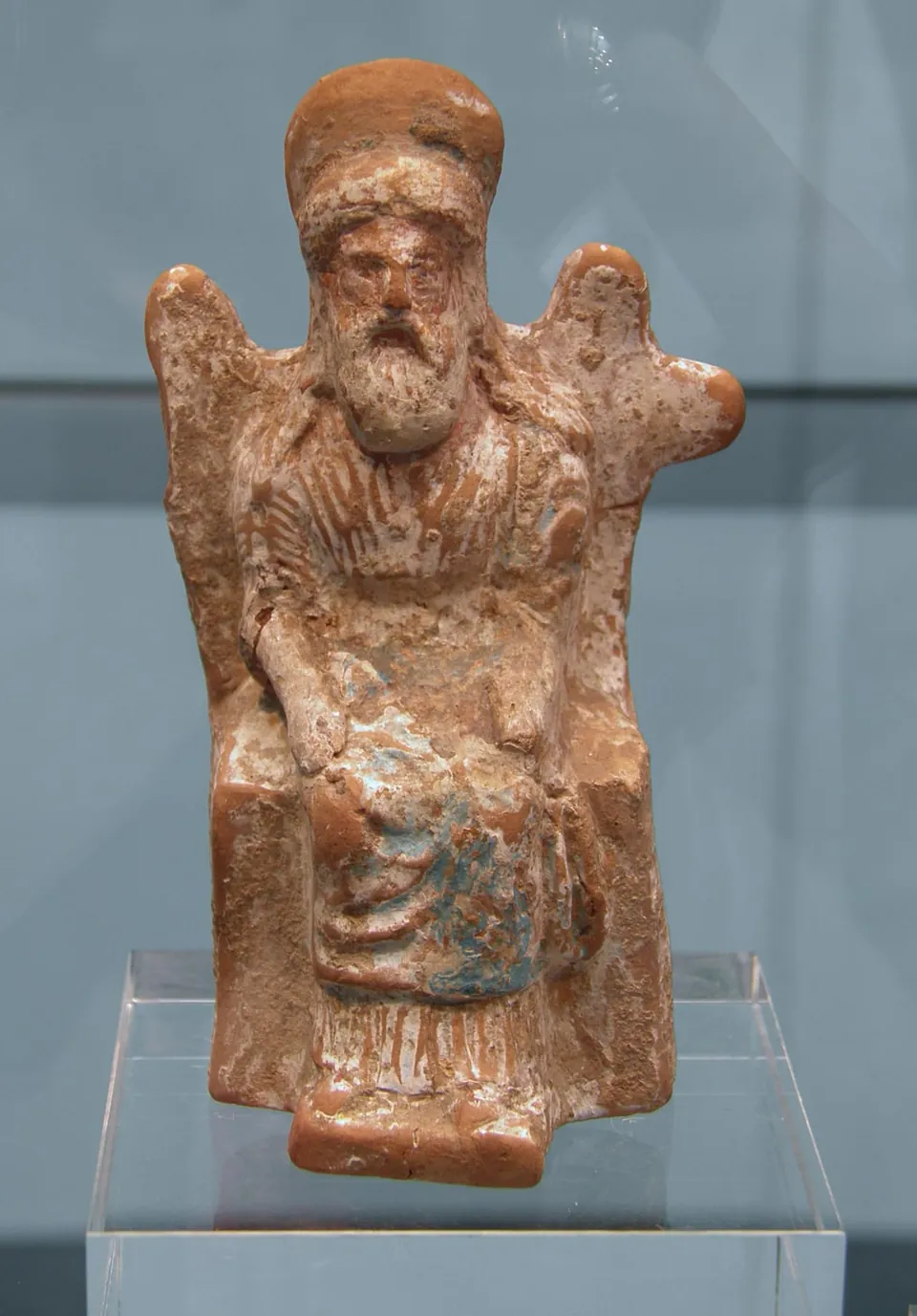
A failed run usually feels like a closed door. In Hades, it can feel like arriving home with something uncomfortable to discuss. That difference is the heart of its relationship with Greek mythology: the ancient setting is not simply a catalogue of impressive names. It gives the game a language for talking about authority, resistance and the exhausting business of trying again.
This is a cultural reading of the original Hades, not a guide to the latest sequel or a claim that a single-player action game is an established esport. Its relevance to competitive players lies in a familiar experience: performing under pressure, losing, and deciding what the loss actually taught you.
An underworld that becomes a place to return to
Supergiant describes Hades as an action-driven escape from the underworld of Greek myth. Its FAQ explains the repeated attempts and the story that develops around them. The important design choice is that the setting makes repetition meaningful. Returning is part of the world’s logic, rather than an interruption imposed from outside the fiction.
Our reading is that this changes the emotional shape of defeat. The player does not need to pretend the previous attempt never happened. A run can be unsuccessful as an escape and still matter as an experience. That gives the story space to acknowledge frustration without making frustration its only reward.
Gods become relationships, not a vocabulary test
A mythology-inspired game can ask the audience to memorise names, family trees and symbols. A more inviting approach lets a personality become interesting first. Curiosity then supplies the reason to look up the older story. You need not enter with a degree in classics to recognise a difficult conversation about independence or an authority figure who refuses to listen.
This is also where adaptation becomes visible. These characters are a modern creative interpretation, not a definitive account of what every ancient Greek believed. Treating the game as an entry point preserves both pleasures: enjoying its confident voice and discovering how other tellings differ. Familiarity with a character should invite questions rather than end them.
Repetition can produce knowledge instead of boredom
Consider two ways to describe a loss: “I am bad at this” and “I committed too early because I misread that attack.” The second sentence is actionable. It identifies a choice and a possible adjustment. Repeated attempts become rewarding when the player can turn one kind of explanation into the other.
For an esports audience, this is the useful comparison. Reviewing a lost round in a team game also requires separating a decision from the ego attached to it. The analogy has limits: teammates, opponents and changing conditions make multiplayer learning different. But the habit of naming a mistake precisely travels well between genres.
The myth is in the structure as well as the imagery
It is easy to spot classical influence in a statue or a name. It is more interesting to ask what a myth allows a game to do. An underworld can hold a contradiction: death is the thing the hero resists, yet it is also what makes another encounter possible. That tension suits a game built around recurring attempts.
This does not mean mythology automatically creates good mechanics. The stronger claim is narrower: when setting and rules reinforce one another, a familiar action can acquire a second meaning. Returning to the start can also become returning to a relationship that has not been resolved.
A better way to play and read
Try keeping two brief notes after a session. The first should identify one practical decision you would change. The second should describe one relationship or theme you now understand differently. This is a suggested reading exercise, not a performance system or a promise of improvement.
You can also choose one mythological figure and compare the game’s portrayal with a museum resource or a published translation. Ask what the adaptation emphasises, what it leaves out and why those choices might suit an interactive story. Differences need not be errors; they become interesting when the work makes its own purpose clear.
Why this connection lasts
Hades offers a useful answer to a broader cultural question: how can an old story feel present without merely receiving modern costumes? Our answer is through the player’s actions. Repetition, resistance and revision are things the audience performs. The underworld stops being distant scenery and becomes a place where a recognisably modern struggle can unfold: learning how to continue without pretending that failure never hurt.
Sources & further reading
- Supergiant Games — Hadessupergiantgames.com
- Supergiant Games — Hades FAQsupergiantgames.com
What did you take away?
Real reactions. Thoughtful discussion. Every comment is reviewed before it appears.
Loading reader contributions…
Sign in to join the discussion